

Views: 0 Author: Site Editor Publish Time: 2026-05-28 Origin: Site


Transitioning from casual browsing to serious boat buying requires shifting your focus. You are likely moving past slick marketing brochures. You want to evaluate a vessel's real-world capabilities. A new or used Aluminum Fishing Boat often sits at the top of the list for avid anglers.
Making an objective, evidence-based decision means looking closely at operational trade-offs. Buyers must determine how specific hull designs impact their time on the water. We must look at long-term durability. Choosing the wrong setup can lead to rough rides. It might also cause unexpected repair bills.
This guide breaks down the technical frameworks you need. You will discover practical inspection criteria for avoiding hidden damages. We will explore the exact details necessary to make a risk-averse purchasing decision. You will learn how to match hull styles to your target species safely and effectively.
Application Dictates Material: Aluminum excels in rocky, shallow, or stump-filled waters where fiberglass would chip or shatter, but compromises on heavy-water ride comfort.
Towability vs. Stability: The lighter weight of an aluminum fishing boat lowers towing requirements and fuel costs, but increases susceptibility to wind drift while casting.
Construction Matters: The choice between welded and riveted hulls directly impacts long-term structural integrity, repairability, and upfront cost.
Used Market Risks: Evaluating a pre-owned aluminum vessel requires a strict checklist focused on galvanic corrosion, transom rot, and metal fatigue.
Evaluating an alloy hull requires stepping away from brand hype. We must look at how the metal behaves in natural environments. Marine-grade aluminum offers distinct advantages over composite materials. It also brings specific compromises you must manage.
Comparing these materials side-by-side reveals sharp contrasts in daily use. Upfront costs typically favor aluminum. Depreciation curves also differ greatly. Well-maintained metal hulls hold their value remarkably well. They appeal strongly to budget-conscious secondary buyers.
Impact resistance is a primary deciding factor. Consider a low-speed collision against a submerged river stump. An aluminum hull absorbs the kinetic energy by yielding. It bends inward, leaving a functional dent. A fiberglass hull transfers that same energy through its rigid structure. This often results in cracked gel coat or internal delamination. You can continue fishing in a dented metal boat. A shattered composite hull demands immediate drydock repairs.
Maintenance requirements highlight another major difference. Fiberglass demands constant aesthetic upkeep. You must compound, polish, and wax the gel coat regularly. Ultraviolet light rapidly oxidizes neglected fiberglass. Bare or painted metal requires far less attention. You simply wash down the hull. Small scratches on an aluminum boat add character rather than structural risk.
| Evaluation Metric | Aluminum Hull | Fiberglass Hull |
|---|---|---|
| Impact Response | Yields and dents; rarely breaches the hull. | Cracks or shatters; risks structural delamination. |
| Aesthetic Upkeep | Low. Requires basic washing. Scratches are superficial. | High. Requires regular waxing to prevent UV oxidation. |
| Upfront Cost | Generally lower, offering better entry-level pricing. | Higher, due to complex molding and labor processes. |
Your local waterways dictate your hull material. We must define the optimal use cases clearly. Aluminum truly dominates in inland environments. Rivers, sheltered lakes, and shallow backwaters are perfect matches. The lightweight nature allows you to navigate tidal flats easily. You can launch from unimproved dirt ramps without anxiety.
We must also define the limiting use cases. You should avoid consistent offshore environments. Heavy-chop bays present significant challenges. A lighter metal hull bounces across wave crests. It does not plow through them effectively. A heavier fiberglass vessel provides a vastly superior ride in rough conditions. The composite mass dampens wave impacts comfortably.
Understanding vessel dynamics requires analyzing physical forces. Displacement, windage, and acoustic properties shape your fishing experience. Let us break down these performance metrics.
Reduced weight fundamentally changes how a boat interacts with water. An Aluminum Fishing Boat displaces significantly less water than its fiberglass counterpart. This reduced displacement creates a shallower draft. You can access highly productive, skinny-water fishing grounds easily. Anglers targeting marsh redfish or shallow-spawning bass rely heavily on this capability.
Highway dynamics improve dramatically as well. You do not need a heavy-duty truck to transport these vessels. Mid-size SUVs or light pickup trucks easily manage the towing weight. This reduces your highway fuel consumption substantially. Launching and retrieving the vessel becomes a simple, one-person operation.
The very lightness providing towing benefits creates on-water challenges. We call this wind susceptibility. A light hull sits high on the water surface. It acts like a sail. When high winds hit the exposed sides, the boat drifts rapidly. Controlling your position demands continuous effort. You will rely heavily on an overpowered bow-mounted trolling motor to hold your casting line.
Ride quality and acoustics present another hurdle. Metal transfers sound efficiently. Water slapping against the bow creates a distinct drumming noise. We call this "hull slap." It can spook wary fish in shallow, quiet environments. Furthermore, choppy water produces a rough, rigid ride. You will feel the vibration of every wave impact through the deck.
Storage realities highly favor metal vessels in colder climates. Winterization becomes less stressful. Aluminum ignores freeze-thaw cycles. Water trapped in a superficial scratch will not freeze and expand into a major crack. Fiberglass owners must painstakingly cover and heat-shrink their boats to prevent ice damage.
Aesthetic upkeep centers on managing oxidation. Bare aluminum naturally forms a protective oxide layer. It turns a dull gray over time. This layer actually protects the underlying metal from further corrosion. You can restore the original shine using mild acid washes and mechanical buffing. Most anglers simply embrace the rugged, utilitarian appearance.
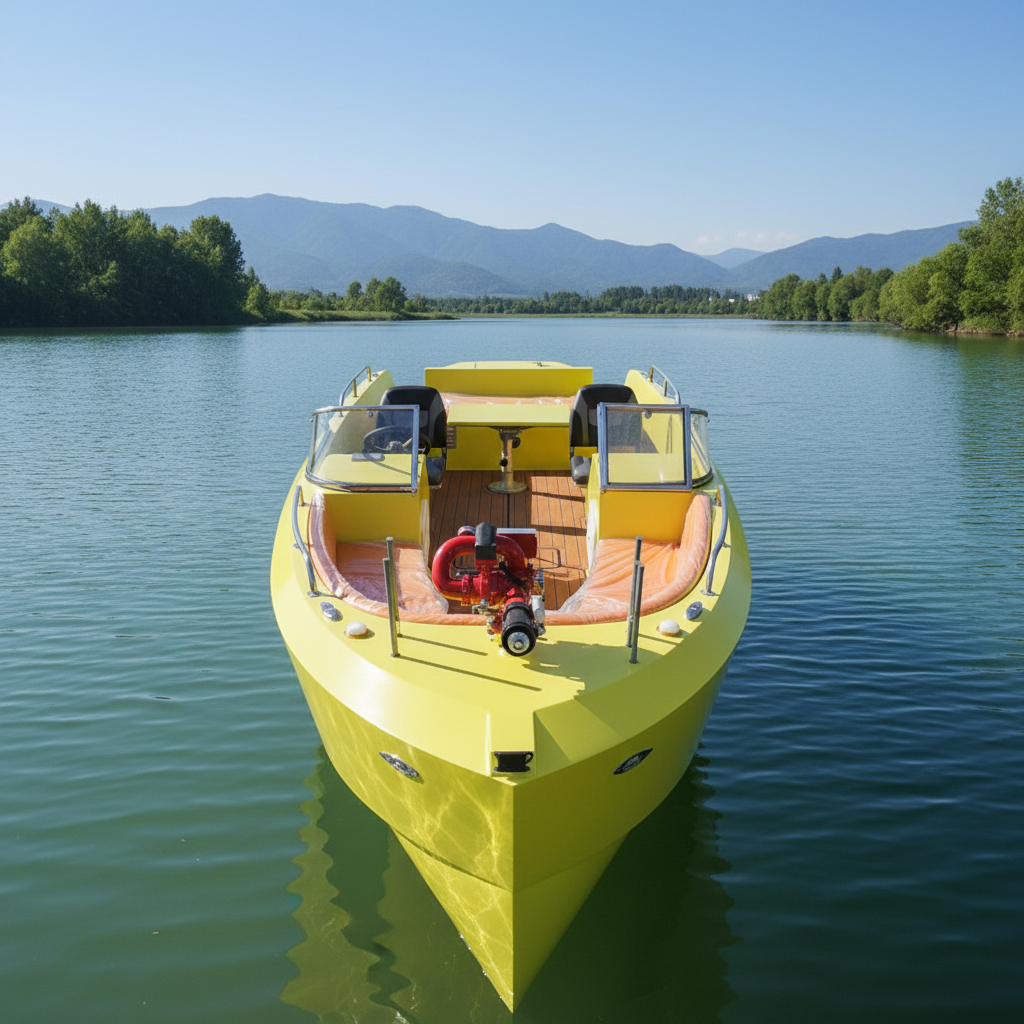
Manufacturers assemble these vessels using two distinct philosophies. They either rivet the panels together or weld them. This choice dictates the boat's lifespan, repair process, and structural rigidity.
Riveting involves driving mechanical fasteners through overlapping metal sheets. Aviation engineers use this identical method to build airplanes. It relies on the flexibility of the materials.
Pros: A riveted hull remains inherently flexible. It can bend slightly to absorb heavy chop safely. This construction method generally costs less upfront. Additionally, repairs remain straightforward. If a fastener fails, a marine technician can simply drill it out. They then pop a fresh, watertight rivet into the existing hole.
Cons: Time is the enemy of mechanical fasteners. Decades of vibration eventually loosen rivets. Micro-leaks develop slowly along the seams. Repairing bottom-hull fasteners often turns into a nightmare. You must rip out the interior decking and foam flotation just to access the backside of the rivet.
Welding melts the metal panels together using intense heat. It fuses individual pieces into a single, cohesive structure. High-end manufacturers favor this method.
Pros: Welding creates a rigid, seamless piece of metal. You completely eliminate the risk of popped rivets. Welded hulls feature thicker gauge aluminum to withstand the heat of the manufacturing process. This extra thickness increases puncture resistance. Buyers widely perceive welded vessels as a premium product.
Cons: Extreme, repeated stress can cause problems. Welds do not flex. Instead, the surrounding metal experiences fatigue. Hairline cracks can develop alongside the welded joints under harsh conditions. Repairing these cracks requires specialized TIG or MIG welding skills. You cannot fix a cracked weld in your driveway easily.
You must match your construction type to your engine horsepower. Higher horsepower engines generate massive torque. This twisting force stresses the transom heavily. Thicker gauge, welded hulls manage this high torque exceptionally well. Conversely, smaller outboard engines pair perfectly with lighter, riveted hulls. Consider your typical wave heights and engine size before making this choice.
Hull shape dictates marine behavior more than any other factor. You must align the bottom profile with your target species and typical weather patterns.
| Hull Design | Primary Application | Draft Characteristics | Ride Quality in Waves |
|---|---|---|---|
| Mod-V Hull | Bass, Crappie, Multi-species | Shallow at stern | Moderate handling; slight pounding. |
| Deep-V Hull | Walleye, Salmon, Big Water | Deep displacement | Excellent handling; cuts waves easily. |
| Flat Bottom | River, Swamps, Hunting | Extremely shallow | Poor handling; highly uncomfortable ride. |
The Mod-V design dominates the freshwater inland market. It represents a clever compromise between shallow drafts and wave cutting ability.
Best for: Bass, crappie, and multi-species inland fishing.
Characteristics: The hull features a slight V-shape at the bow. This angle cuts through moderate chop efficiently. As the hull moves backward, it flattens out toward the stern. This shallow rear draft provides exceptional stability while you walk around. It perfectly supports massive, elevated front casting decks. Anglers pitching jigs near shorelines prefer this stable platform.
Large, open bodies of water demand aggressive hull designs. The Great Lakes present entirely different challenges than sheltered reservoirs.
Best for: Walleye, salmon, and big-water environments.
Characteristics: These hulls feature a sharper deadrise angle. The pronounced V-shape runs the entire length of the boat. It slices cleanly through heavy, stacked waves. The design incorporates much deeper cockpits. This provides critical safety in rough conditions. Higher freeboard limits wind splash, keeping your passengers dry during brutal autumn storms.
Sometimes, simple utility wins. Flat bottoms prioritize cargo capacity and shallow access above all else.
Best for: River navigation, shallow swamps, waterfowl hunting.
Characteristics: These vessels offer maximum stability at rest. You achieve the lowest draft physically possible. You can float a flat bottom in mere inches of water. However, the trade-off is severe. They offer an extremely rough ride in any wave action. A flat bottom slams violently against even tiny ripples, rattling your teeth.
Pre-owned vessels offer excellent value if you inspect them rigorously. Metal hides certain flaws while exposing others. You must know exactly where to look for structural decay.
Galvanic corrosion destroys metal quickly. It happens when two dissimilar metals touch in the presence of an electrolyte, like water. Stray electrical currents accelerate this process dramatically.
Look closely for pitting on the exterior. Check for white, powdery residue on the hull, especially below the waterline. This indicates active corrosion.
Check the condition of sacrificial anodes. These zinc or aluminum blocks bolt onto the transom. They are designed to corrode first, protecting the main hull. If they are missing or completely dissolved, the hull is actively decaying.
Investigate the wiring meticulously. Improperly grounded marine electronics cause rapid electrolysis. Never use the bare hull as a ground path for radios or fish finders.
The transom supports the entire weight and thrust of the outboard motor. A weak transom spells disaster. Older models often sandwich marine plywood between metal sheets for structural rigidity.
Test for excessive flex by applying downward pressure to the outboard motor. Stand on the anti-ventilation plate and bounce gently. The motor and transom should move as one solid unit. If the metal skin flexes inward, you have major structural issues. Inspect the area around the motor mounting bolts. Look for dark seepage or weeping stains. This strongly indicates rotting wood cores trapped inside the metal sandwich.
Seam inspections vary entirely based on the construction method. You must approach each type differently.
Riveted Hulls: Get under the trailer with a flashlight. Look for missing rivet heads. Inspect the paint surrounding each fastener. If you see circular weeping water stains or chalky rings around the rivets, they are loose. The boat leaks.
Welded Hulls: Focus entirely on high-stress areas. Inspect the transom corners carefully. Look closely at the points where internal longitudinal stringers attach to the bottom hull. You are searching for tiny hairline cracks in the bead. Even a microscopic crack allows water intrusion and compromises strength.
Purchasing the correct vessel requires prioritizing engineering over cosmetic appeal. You must match the material to the exact conditions you plan to fish. Evaluate the weight dynamics carefully. Consider how the hull will handle towing, windage, and acoustic challenges.
Take actionable next steps immediately. Finalize your required hull design by deciding between a stable Mod-V or a wave-cutting Deep-V. Determine your exact budget for the new versus used market. Finally, never buy without a test. Schedule on-water sea trials to personally test wind handling and rough-water ride comfort.
A: Yes, provided it is properly rinsed after every use. You must have isolated electrical grounds. You also need appropriate sacrificial anodes (usually zinc) to prevent galvanic corrosion. Saltwater accelerates electrolysis, so rigorous flushing of the engine and hull is mandatory.
A: With baseline maintenance, an aluminum hull can easily last 30 to 50 years. The metal structure often outlives multiple outboard engines. You simply repower the hull and replace the wooden decking or marine carpet as they degrade over the decades.
A: Bare aluminum actually reflects heat away quite well. However, painted aluminum or surfaces covered in marine carpet and vinyl decking will absorb and retain heat similarly to fiberglass vessels. The ambient temperature mostly depends on the color and surface material.
A: It is generally easier due to exposed gunnels and highly accessible wiring chases. However, strict adherence to marine wiring standards is required. You must run dedicated ground wires back to the battery to prevent rapid hull electrolysis.


