

Views: 0 Author: Site Editor Publish Time: 2026-07-17 Origin: Site


Marine businesses operate under immense daily pressure. Unexpected downtime, constant maintenance delays, and short vessel lifespans directly erode your operational efficiency. You need reliable assets to stay functional. Historically, commercial operators relied heavily on steel or fiberglass hulls. Today, marine-grade aluminum is rapidly replacing these traditional materials. This shift represents a calculated operational decision. Fleet managers want better payload optimization and serious long-term durability in harsh environments.
We wrote this guide to map out exactly how utility vessels perform across specific marine sectors. You will discover practical applications, material benefits, and deployment risks associated with modern commercial fleets. We also provide an objective framework to help you evaluate, specify, and procure the perfect vessel. By the end, you will know exactly how to match specific hull designs to your daily operational demands.
Versatile Applications: Aluminum work boats dominate marine construction, cargo transport, patrol, and aquaculture due to their high strength-to-weight ratio.
Financial Advantage: While upfront costs may be higher than fiberglass, the Total Cost of Ownership (TCO) is lower due to reduced fuel consumption, minimal maintenance, and high end-of-life scrap value.
Material Science: Marine-grade alloys (specifically 5083 and 5052) offer exceptional resistance to saltwater corrosion without the need for constant repainting.
Procurement Logic: Successful deployment requires matching hull design (e.g., landing crafts, V-hulls) to specific operational payloads and anticipating environmental risks like galvanic corrosion.
Traditional vessels suffer from critical flaws in commercial settings. Steel requires constant rust mitigation and scaling repair. It carries a massive weight penalty. This excess weight limits your usable payload and slows down your response times. Fiberglass brings entirely different problems. It is highly prone to stress cracking under heavy impacts. Fiberglass also degrades rapidly from harsh UV exposure and requires specialized temperature-controlled environments for proper structural repairs. You simply cannot afford these weaknesses in daily commercial operations.
Commercial operators need vessels guaranteeing maximum uptime. You need boats requiring minimal shoreside maintenance between shifts. They must withstand frequent dock impacts, intentional beaching, and heavy equipment loading without compromising structural integrity. A reliable vessel acts as a predictable tool rather than a constant liability.
Utility aluminum models provide the perfect solution to these challenges. They deliver the robust structural integrity of metal while maintaining a significantly lighter draft. This unique combination solves both your durability mandates and your efficiency requirements. Fleet managers often find aluminum vessels easily handle the abuse of commercial work environments while demanding very little routine structural care.
An Aluminum Work Boat serves as the functional backbone for diverse maritime industries. You will find these highly adaptable vessels operating in almost every commercial port and waterway. Let us explore the specific operational applications across four major maritime sectors.
Coastal infrastructure projects demand rugged support platforms. Crews use these vessels to transport heavy scaffolding, tow loaded barges, and support commercial dive teams. The environment is inherently dangerous and abusive to marine equipment.
Drop-bow designs, often called landing crafts, fit this sector perfectly. They allow seamless roll-on/roll-off (RoRo) capability. You can drive heavy machinery like skid steers or mini-excavators directly onto unpaved shores. The rigid metal deck easily handles the concentrated point loads of heavy tracks and tires. Workers can drop anchors, lower the bow door, and begin operations immediately.
Modern fish farms and oyster leases require constant tending. Daily applications include hauling wet nets, transporting heavy harvests, and performing routine structural farm maintenance. Crews work in wet, slippery conditions surrounded by corrosive saltwater and organic debris.
Aluminum fits this environment flawlessly. Builders construct flat, self-bailing decks to shed water instantly. The metal surface never rots from trapped organic matter or fish waste. Operators can easily use pressure washers to clean the deck in minutes. Furthermore, you can directly bolt or weld customized hauling winches, hydraulic A-frames, and lifting davits to the deck structure.
Moving supplies outside of major shipping lanes presents unique navigational challenges. Operators often run last-mile supply deliveries to island communities, remote off-grid construction sites, or isolated scientific outposts. These areas lack deep-water ports or concrete piers.
Shallow drafts make aluminum vessels indispensable here. They allow operators to access tight, rocky inlets safely. Traditional deeper-draft cargo vessels cannot reach these hazard-filled zones. The lightweight nature of the hull means the boat displaces less water, allowing it to slide over shallow sandbars fully loaded. You can beach the vessel, unload a month of supplies, and reverse off the sand before the tide drops.
Government agencies and private contractors rely on fast vessels to manage harbor security, deploy oil spill containment booms, and execute search and rescue (SAR) missions. These scenarios require vessels ready to launch at a moment's notice.
The inherent lightweight nature of the alloy pairs perfectly with modern high-horsepower outboard engines. You achieve rapid acceleration and high top speeds for emergency response. Simultaneously, the hull remains incredibly durable. Captains can aggressively bump alongside other vessels during active boarding operations without shattering their own hull. They also easily push floating debris out of the way during flood response missions.
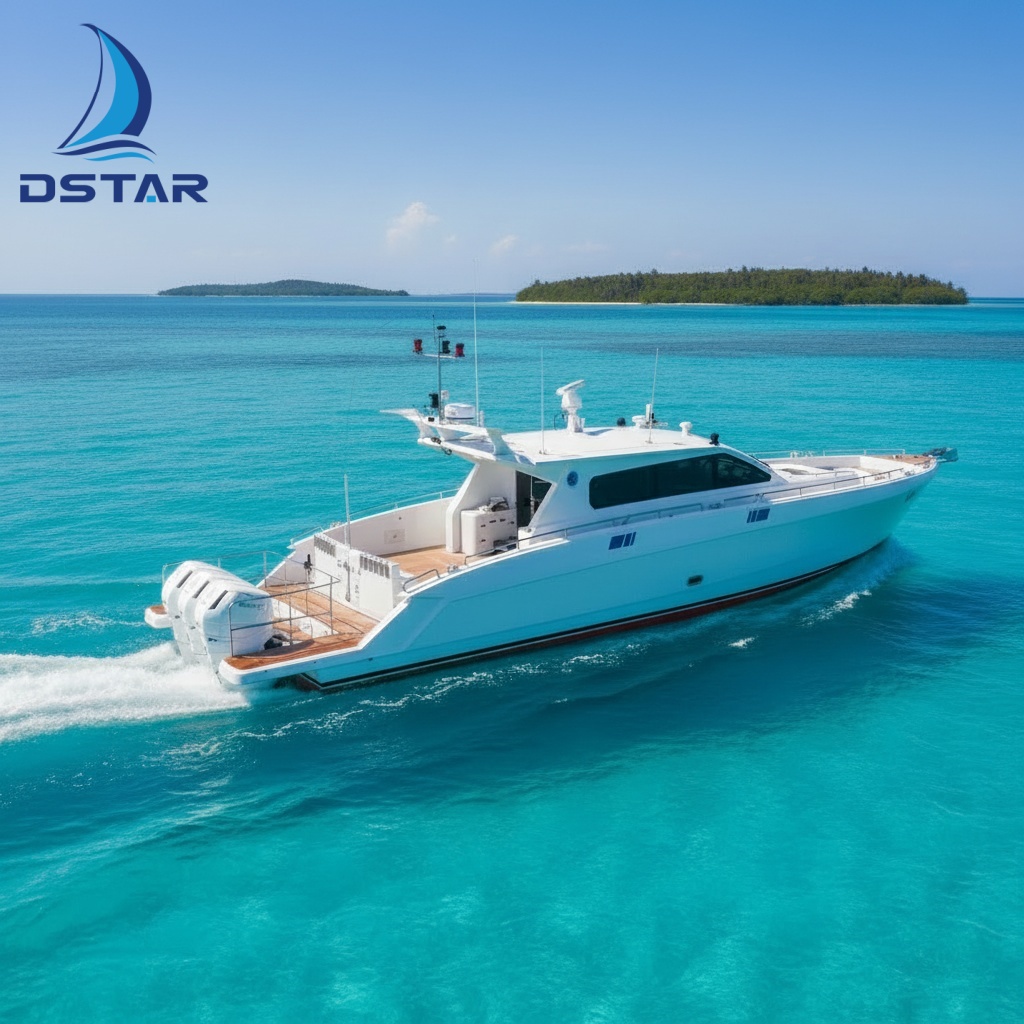
Understanding the underlying material science helps you make better procurement choices. Marine fabrication relies on highly specific grades of metal engineered for saltwater survival. We must examine how specific metallurgical properties translate directly into daily operational advantages.
Commercial marine fabricators do not use standard architectural aluminum. They exclusively use 5000-series marine-grade alloys, primarily 5052 and 5083. Metallurgists add specific amounts of magnesium to these blends. This magnesium addition prevents saltwater degradation by forming a dense, microscopic oxide layer on the surface the moment the metal contacts oxygen.
The operational outcome is profound. You face zero requirement for gel-coat maintenance. You never have to chip away rust scaling or apply harsh chemical rust converters. The hull protects itself naturally. Most commercial operators leave the hulls completely unpainted above the waterline, saving thousands in paint application and touch-up labor over the vessel's lifespan.
Material density plays a massive role in marine architecture. Marine-grade aluminum is roughly 30% to 40% lighter than traditional marine steel. However, it still offers comparable yield strength when engineered correctly with internal stringers.
This ratio generates excellent operational outcomes. You achieve a significantly higher payload capacity for the exact same engine horsepower. A lighter vessel requires less energy to push onto a plane. This structural efficiency translates directly into better handling, higher top speeds, and increased cargo capacity per trip. You move more gear using fewer resources.
Dock strikes, submerged logs, and rough beachings happen constantly in commercial work. When fiberglass hits a hard object, the rigid composite matrix shatters. The gel-coat spider-cracks, and the underlying fiberglass layers delaminate. Water intrudes into the core, requiring immediate dry-docking and complex composite repairs.
Aluminum behaves entirely differently. The metal possesses high ductility. Upon hard impact, the metal dents and deforms. It absorbs the kinetic energy rather than fracturing. The outcome heavily favors commercial operators. Vessels remain fully watertight and operational after minor collisions. You avoid catastrophic hull breaches. You can finish your seasonal contract and schedule dent repairs during planned winter maintenance windows.
Commercial contracts evolve constantly. A boat designed for dive support today might need to serve as a mini-tugboat next year. Fiberglass molds lock you into a single, unchangeable deck layout. Modifying a fiberglass deck requires messy grinding, fiberglass layups, and curing time.
Metal offers ultimate flexibility. Fabricators can cut and weld an alloy hull at any stage of its life. If you win a new contract requiring a deck crane, a welder can plasma-cut the deck, drop in a reinforced structural plate, and weld the crane base directly to the hull framework in a few days. You can easily retrofit specialized tie-downs, custom cabins, or push-knees as your business needs dictate.
| Material Characteristic | Marine Aluminum (5083/5052) | Marine Steel | Fiberglass (FRP) |
|---|---|---|---|
| Corrosion Resistance | Excellent (Self-oxidizing layer) | Poor (Requires heavy coatings) | Good (But prone to osmosis/blistering) |
| Impact Behavior | Dents and absorbs energy | Dents but very heavy | Shatters and delaminates |
| Weight Profile | Lightweight (Shallow draft) | Very Heavy (Deep draft) | Moderate to Heavy |
| Modification Ease | High (Easily cut and welded) | High (Welds easily) | Low (Requires molds and curing) |
No material is entirely invincible. Operating metal vessels in saltwater introduces specific physics and chemistry challenges. You must proactively manage these environmental realities to protect your asset. Ignoring these risks leads to premature hull degradation and dangerous structural failures.
Galvanic corrosion, often inaccurately called electrolysis, represents the greatest threat to any metal hull. When you submerge two dissimilar metals in an electrolyte like saltwater, an electrical current flows between them. The less noble metal acts as an anode and sacrifices itself to protect the more noble metal. If you bolt a stainless steel fitting directly to an unpainted aluminum hull, the saltwater acts as a battery. The aluminum hull will literally dissolve into the ocean to protect the stainless steel.
Require Sacrificial Anodes: You must weld or bolt large zinc or aluminum-indium anodes below the waterline. These cheap blocks dissolve first, protecting the expensive hull.
Ensure Proper Grounding: Follow American Boat and Yacht Council (ABYC) standards for marine electrical systems. Install galvanic isolators to block stray shore power currents.
Isolate Hardware: Never let stainless steel fasteners touch the hull directly. Always use nylon washers, Tef-Gel, or specialized isolation pads between dissimilar metals.
Buyers often purchase off-the-shelf hulls designed for calm lakes and expect them to perform offshore. This hull design mismatch creates dangerous situations. A flat-bottom vessel maximizes payload space and enables ultra-shallow draft operations. However, driving a flat-bottom boat into heavy offshore chop violently punishes the crew and equipment.
Conversely, a deep-V hull cuts through rough waves smoothly, offering a comfortable ride in harsh weather. Yet, a deep-V design requires deeper water to float and drastically limits your ability to perform shallow-water cargo drops. You must accurately define your primary operating environment before finalizing the deadrise angle of your hull.
A metal vessel is exactly as strong as its weakest weld. High-speed operations generate constant, intense vibration. Pounding through waves subjects the hull plates to immense dynamic stress. Poor manufacturing techniques or incomplete welds will quickly lead to metal fatigue and cracking along the seams.
To mitigate this risk, mandate continuous welding techniques rather than cheap stitch-welding. Commercial builders must use robust internal framing, including closely spaced longitudinal stringers and heavy transverse bulkheads. We strongly recommend requiring non-destructive testing, such as x-ray inspection or dye penetrant testing, on critical structural seams before accepting delivery of the vessel.
Procuring a commercial vessel requires a completely different mindset than buying a recreational pontoon. You are commissioning a specialized piece of heavy machinery. Selecting the right shipyard dictates the ultimate success of your maritime operations.
Always look for shipyards boasting a proven portfolio in your specific operational sector. A builder who primarily welds thin-gauge recreational fishing boats likely lacks the engineering knowledge to build a heavy-duty dredging support vessel. Request reference contacts from their previous commercial clients. Ask those clients about the builder's post-delivery support and how the vessel's welds hold up after a few thousand hours of brutal commercial use.
Maritime authorities strictly regulate commercial vessels. Ensure your chosen builder is entirely fluent in relevant commercial maritime standards. In the United States, this often means adhering to USCG Subchapter T regulations for passenger vessels or specific ABYC commercial standards. International operators might require compliance with Bureau Veritas (BV) or Lloyd's Register rules. A builder ignorant of these codes will deliver a boat you legally cannot operate.
Never rely on a builder's standard brochure. Create a rigid, highly detailed procurement checklist based on your daily operations. A professional spec sheet must detail:
Payload Requirements: Exactly how many pounds of gear must the deck support?
Deck Space Dimensions: Do you need specific square footage to accommodate standard cargo pallets?
Expected Sea States: Will the boat operate in protected harbors or face 6-foot offshore swells?
Custom Integrations: Detail every necessary attachment point, including heavy-duty push knees, specialized D-rubber fendering, dive ladders, and engineered lifting eyes.
Upgrading to a modern utility vessel drastically changes how marine businesses operate. You eliminate the constant rust-scaling of steel and avoid the fragile, crack-prone nature of fiberglass. Choosing a marine-grade alloy gives you an incredibly resilient platform capable of absorbing heavy dock impacts while carrying larger payloads on less fuel.
Your success depends entirely on proper procurement. You must actively manage galvanic corrosion risks, specify the correct hull deadrise for your local waters, and thoroughly vet your shipyard's welding expertise. We encourage operators to review their current maintenance logs and calculate how many days they lose annually to structural repairs. Use those insights to draft a precise specification sheet, and contact a specialized commercial marine fabricator to begin designing your purpose-built vessel.
A: A well-built commercial alloy vessel typically lasts 25 to 40 years, often far outlasting fiberglass equivalents. You must maintain strict sacrificial anode replacement schedules and perform routine electrical inspections to achieve this longevity.
A: Yes. Unlike fiberglass, which requires specific curing temperatures, clean environments, and messy resins, a skilled TIG or MIG welder can patch a metal hull almost anywhere. You can quickly weld structural plates over damage in remote dirt lots.
A: HDPE offers incredible impact resistance and absolute zero risk of galvanic corrosion. However, aluminum provides far greater structural rigidity for heavy equipment payloads. Metal also handles larger custom builds better and perfectly resists UV degradation over decades.
A: You only need bottom paint if you leave the vessel moored in saltwater year-round to prevent marine growth. You must exclusively use specialized aluminum-safe, copper-free antifouling paint. Standard copper bottom paint will instantly trigger severe galvanic corrosion.


