

Views: 0 Author: Site Editor Publish Time: 2026-09-14 Origin: Site


Electric propulsion is moving out of the concept phase and into everyday harbour work. Across marinas, reservoirs and inland waterways, operators are under growing pressure to cut exhaust emissions, noise and water pollution — and aluminum electric craft are proving to be one of the most practical answers available today.
Combustion-engine restrictions are tightening in enclosed water areas. Drinking-water reservoirs, aquaculture zones, marinas and historic city waterways increasingly limit or ban petrol and diesel engines, while port authorities face their own emissions targets. An electric vessel addresses all three pressures at once: no exhaust fumes, dramatically lower noise, and no risk of fuel or oil residue reaching the water. For routine duties such as patrol, inspection, cleaning and fire watch, where daily range requirements are modest and vessels return to a fixed berth, battery-electric drive is a genuinely practical choice.
Qingdao Dookyu Crown Marine has introduced a 6.6m aluminum alloy electric boat designed specifically for this duty cycle. Built on a welded 5083 marine-grade aluminum hull, the open-cockpit craft seats up to six people and runs on an on-board battery bank driving an electric motor, with approximately 6–8 hours of endurance in typical patrol or service use. The bow is prepared to mount a fire monitor, allowing the same platform to serve as an electric fire watch or light first-response craft for docks and waterfront facilities.
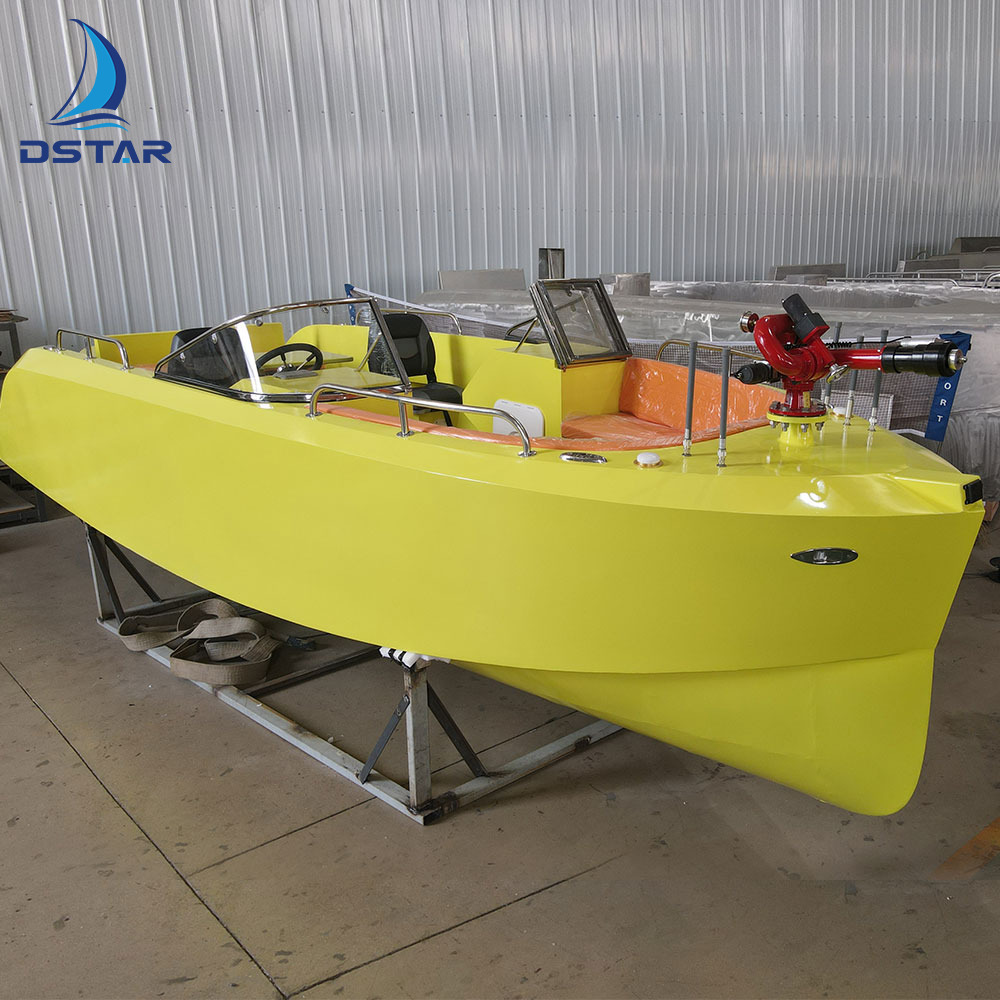
The combination of aluminum hulls and electric drive is not coincidental. Welded marine-grade aluminum delivers a significantly lighter structure than comparable fiberglass or steel construction, which directly translates into lower energy consumption per nautical mile — the single most important factor in making a battery-electric workboat viable. Aluminum is also highly corrosion-resistant, low-maintenance and fully recyclable, reinforcing the environmental case for operators who must justify their fleet decisions to regulators and the public.
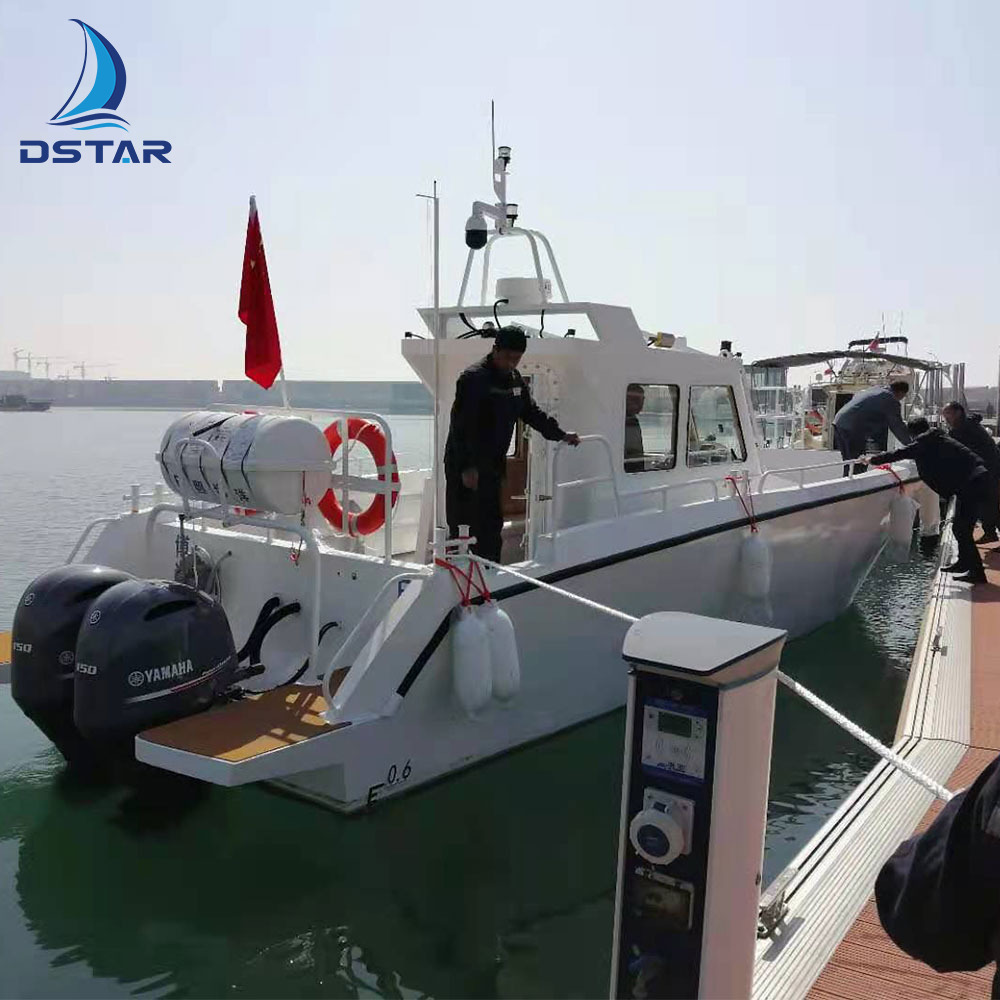
Alongside the electric craft, the shipyard has released an 11m aluminum alloy cruiser boat for coastal and leisure operators. The vessel pairs a fully enclosed wheelhouse with twin YAMAHA 150HP outboards, teak-look decks, a swim platform and seating for up to twelve passengers — a layout suited to coastal cruising, offshore fishing, island transfer and day-charter service.
Battery capacity, charging arrangements, deck equipment and cabin fit-out are specified per operator. Buyers evaluating aluminum boat construction for harbour, patrol or passenger duty are invited to contact the shipyard with their operational profile for a tailored proposal.


