

Views: 0 Author: Site Editor Publish Time: 2026-07-01 Origin: Site


Harbor environments are incredibly unforgiving. Floating debris, shallow drafts, and constant impact risks define the daily grind. Continuous duty cycles push marine assets to their absolute limits. Fleet managers face massive problems when deploying fiberglass or inflatable vessels. These lighter-duty boats suffer frequent structural damage. They lead to soaring repair expenses and unacceptable downtime. You need a highly reliable solution for heavy-duty port maintenance. The commercial-grade Aluminum Work Boat stands out as the ultimate industry standard. It delivers unmatched durability, massive payload capacity, and constant operational readiness. This comprehensive guide shows you exactly how to evaluate vessel specifications for rigorous port tasks. We explore strategies to manage operational risks effectively. You will also learn practical maintenance protocols. These specific protocols help maximize your asset's long-term lifecycle value.
Operational Superiority: Aluminum hulls withstand heavy impacts, resist punctures from submerged harbor debris, and offer superior strength-to-weight ratios compared to fiberglass.
Purpose-Built Configurations: Effective harbor maintenance requires specific vessel customizations, including reinforced push-knees, A-frames, and specialized deck layouts.
Predictable TCO: While upfront capital expenditure may be higher, the long-term ROI is secured through reduced structural repairs and extended operational lifespans.
Asset Maintenance Reality: Aluminum is not "maintenance-free." Maximizing vessel life requires strict protocols for managing galvanic corrosion, anti-fouling, and routine hull inspections.
Harbor maintenance involves brutal, repetitive manual tasks. Debris collection requires immense pushing power. Operators regularly move massive submerged logs. Buoy tending demands highly stable lifting capabilities. Crews hoist heavy metal chains over the gunwales constantly. Dock repairs require solid platforms. Welders need steady decks to operate safely. Spill response scenarios demand rapid deployment. The vessel must carry heavy containment booms efficiently.
Alternative hull materials fail frequently under these conditions. Fiberglass hulls possess significant structural weaknesses. Gelcoat surfaces suffer immediate stress cracks upon impact. Concrete pilings shatter these brittle exterior layers easily. Water intrusion eventually causes severe structural delamination. Inflatables face equally dangerous operational threats. Sharp submerged metals slice through rubber tubes instantly. Jagged wooden debris causes catastrophic air leaks. These sudden material failures drain operational budgets rapidly.
Fleet managers must establish strict success criteria. You must maximize daily vessel uptime. You need a platform ready for dispatch immediately. Crew safety matters immensely during high-risk lifting operations. Finally, you must minimize reactive repairs. Reactive repairs kill operational efficiency completely.
Always log the frequency of your current fleet repairs. Track specific damage types to justify upgrading your hull material. Proper data collection proves the financial necessity of adopting sturdier marine assets.
Marine-grade alloys provide distinct metallurgical advantages. Premium builders utilize 5086 or 5052 marine-grade aluminum sheets. These specific metals absorb massive kinetic energy naturally. The hull will dent inwardly upon severe impact. It rarely fractures or tears open. This unique elasticity prevents catastrophic flooding events during routine collisions.
A highly favorable strength-to-weight ratio transforms daily operations completely. Lighter metal hulls significantly improve fuel efficiency. They require less horsepower to reach optimal planing speeds. A lighter hull also guarantees much shallower drafts. Shallow drafts remain absolutely critical for harbor duties. You must navigate tidal zones confidently. You must access complex shoreline infrastructure safely.
Payload flexibility sets metal hulls apart permanently. Molded fiberglass restricts deck modifications heavily. Conversely, an Aluminum Work Boat allows easy welding adjustments. You can add deck cranes quickly. Cutting a side dive door takes minimal effort. Customizing heavy-duty cleats takes mere hours. Molded hulls require complex structural reconstruction to achieve similar tasks.
Fire safety adds another crucial layer of compliance. Aluminum remains inherently non-combustible. This metric proves vital for harbor environments. Crews often handle volatile fuels daily. They transport hazardous chemical materials regularly. Port authorities strongly favor non-combustible assets for dangerous maintenance tasks.
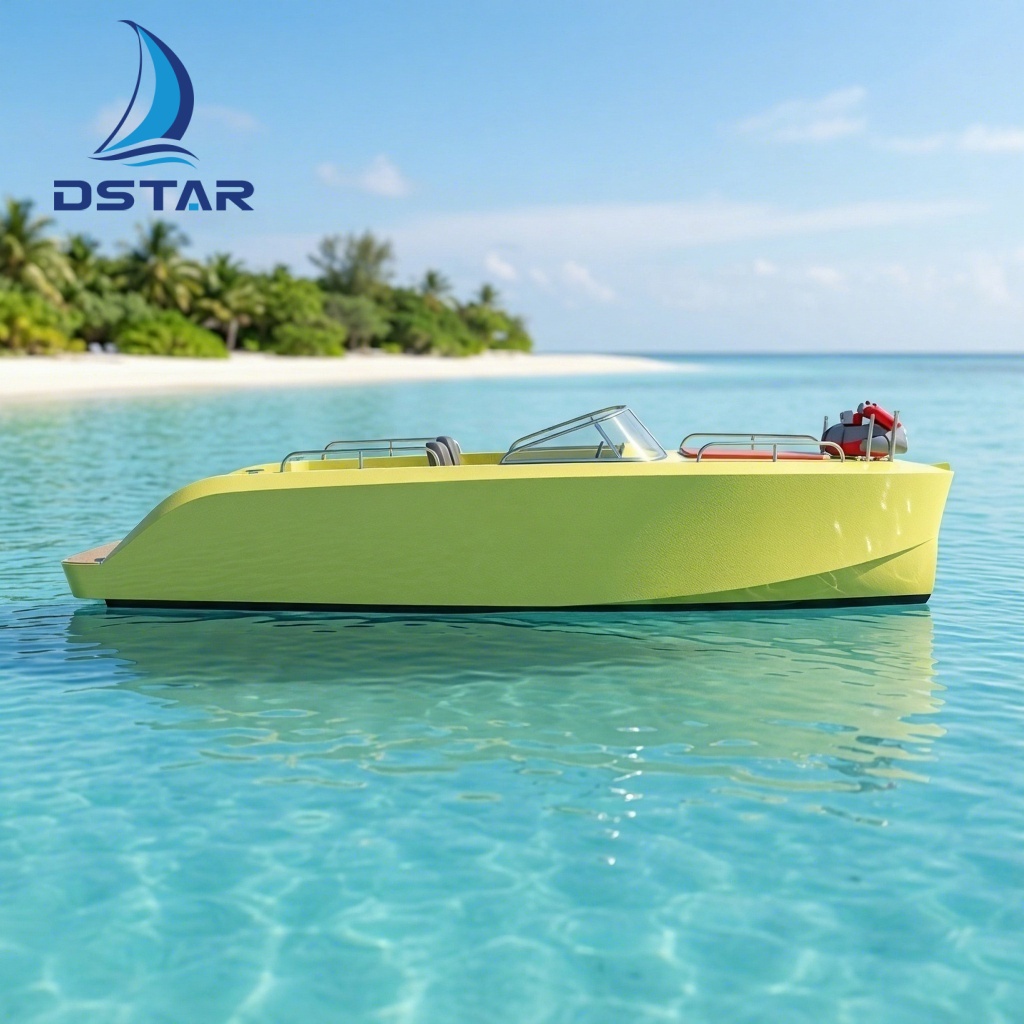
Every commercial harbor demands specific structural choices. Selecting the proper hull design dictates your daily efficiency. Compare Flat-bottom and V-hull designs carefully. Each design serves distinct commercial environments effectively.
The following comparison table highlights key structural differences.
| Feature Matrix | Flat-Bottom Hull | V-Hull Design |
|---|---|---|
| Harbor Environment | Ideal for calm, protected inland waters. | Required for choppy, open-water port entrances. |
| Deck Stability | Maximum resting stability for heavy lifting. | Rolls slightly but cuts through large wakes safely. |
| Draft Depth | Extremely shallow; excellent for tidal zones. | Deeper draft; requires deeper mooring access. |
| Payload Capacity | Carries massive weight evenly distributed. | Sacrifices some capacity for superior ride comfort. |
Deck layout directly impacts crew safety daily. You absolutely need self-bailing decks. Standing water must drain overboard instantly. Non-skid surfacing prevents devastating slips during oily tasks. Unobstructed workspaces allow efficient crew mobility. Operators must move freely around the vessel perimeter.
Consider your propulsion and steering carefully. Outboard motors offer excellent directional maneuverability. They tilt up easily. This feature avoids expensive prop-strikes in debris-heavy waters. Inboard configurations provide greater pulling torque. However, inboards risk severe underwater damage from submerged obstacles.
You must specify essential task modifications during the design phase. Use this practical checklist for necessary commercial add-ons:
Reinforced push-knees for safe barge handling.
Heavy-duty tow bitts mounted directly to structural bulkheads.
Thick D-rubber fendering to absorb constant docking shocks.
A-frame gantries specifically designed for lifting submerged debris.
Managing metal vessels introduces specific operational realities. Galvanic corrosion represents the absolute biggest threat in saltwater. Electrolysis destroys unprotected metal quickly. Dissimilar metals react aggressively when submerged together. You must implement proper electrical grounding immediately. Sacrificial anode systems are completely non-negotiable for marine survival.
Procurement involves balancing upfront costs against long-term lifecycle value. Initial capital expenditures run higher than fiberglass alternatives. However, the investment pays off predictably over time. You defer massive structural repair costs efficiently. These commercial assets maintain a 15-to-20-year operational life easily. The long-term financial return remains undeniable.
Operators also require targeted helm training. Handling a lightweight metal vessel differs completely from driving heavy legacy boats. These sleek hulls experience higher windage dynamically. High winds push lighter vessels off course faster. Crews must adjust their docking approaches carefully. They must refine their throttle control to maintain precise position.
Never mix metals arbitrarily on the deck. Bolting stainless steel hardware directly to unprotected aluminum causes immediate localized corrosion. Always use nylon washers or specialized isolating compounds.
Metal hulls demand structured commercial upkeep protocols. You cannot treat them like typical fiberglass assets. Routine hull cleaning requires a very strict approach. Remove marine barnacles and algae promptly. Never use aggressive steel scraping tools. Steel tools severely scratch the protective oxide layer. Most importantly, never apply traditional copper-based bottom paints. Copper destroys aluminum structures through rapid galvanic reactions.
Managing surface oxidation remains another essential maintenance task. Aluminum naturally oxidizes to protect itself against the elements. This chemical reaction creates a dull gray aesthetic finish. You should embrace this protective dulling layer entirely. However, you must watch closely for destructive pitting. Wash the hull regularly using fresh water. Removing dried salt crystals prevents deep moisture traps.
Implement a baseline Standard Operating Procedure for anodes immediately:
Inspect all sacrificial anodes visually every single month.
Measure anode depletion rates based on local water salinity levels.
Check harbor electrical currents for stray voltage leaks near the docks.
Replace any zinc or aluminum anode once it reaches 50% depletion.
Winterization completely protects the asset during colder off-seasons. Practice proper out-of-water storage techniques. Ensure complete hull drainage before freezing temperatures arrive. Open all internal bilge compartments widely. This airflow prevents trapped moisture from causing hidden corrosion over the winter months.
Evaluating specialized boat builders requires deep industry scrutiny. Look for extensive experience completing commercial harbor contracts. Inspect the specific quality of their continuous hull welds. Demand proper marine engineering certifications upfront. A reputable shipyard provides detailed structural calculations readily.
You must define your exact operational profile clearly. Buyers need to hand manufacturers precise data points for accurate quotes. Document your anticipated maximum payload weight completely. Describe your typical harbor sea-state conditions accurately. List the specific daily tasks your maintenance crew performs. Clear communication prevents expensive redesigns later.
Sea-trials validate your financial investment entirely. Commissioning represents a highly critical operational phase. Verify all structural weld integrity carefully under stress. Conduct rigorous load-testing on newly installed deck cranes. Test the tow bitts pulling against a fixed load. Finally, ensure the self-bailing decks actually drain water at the specified design rate.
Transitioning to a rugged metal vessel transforms your fleet capabilities entirely. It turns reactive harbor maintenance into a streamlined, highly predictable operation. You drastically reduce frustrating downtime. Crews perform dangerous tasks faster.
The true value of your asset unlocks conditionally. You must pair purpose-built specifications directly alongside rigorous anti-corrosion maintenance schedules. This powerful combination guarantees decades of highly reliable commercial service.
Stop letting fragile hulls drain your annual maintenance budget. Request a custom fleet consultation today. Download our detailed maintenance checklist. Review our commercial vessel case studies to see real-world operational success.
A: Yes, they are incredibly safe and durable. Builders construct them from premium marine-grade alloys like 5086 aluminum. These specialized metals resist saltwater degradation naturally. You simply must pair the hull alongside proper sacrificial anode protection. Strict electrical grounding prevents galvanic corrosion effectively.
A: Traditional bottom paint contains extremely high copper levels. Copper and aluminum react aggressively together in saltwater environments. The copper destroys the aluminum hull rapidly through severe galvanic corrosion. You must always use specialized, aluminum-safe anti-fouling alternatives like thiocyanate-based coatings.
A: A well-maintained commercial vessel easily lasts 20 to 30 years. Their structural lifespan far exceeds molded fiberglass alternatives. However, this longevity remains strictly contingent on rigorous daily maintenance. You must adhere perfectly to strict anode replacement schedules continuously.
A: Yes, retrofitting remains highly efficient. Mechanics can easily cut and weld new commercial hardware onto the existing deck. You can add robust A-frames, side dive doors, or enhanced fendering systems quickly. This flexibility allows managers to adapt vessels safely.


