

Views: 0 Author: Site Editor Publish Time: 2026-06-01 Origin: Site


Upgrading your vessel is a definitive move toward handling bigger water. It improves ride comfort immensely. A capable hull also extends your fishing season dramatically into colder months. Buyers often struggle to balance conflicting operational needs. You might want rough-water capability from a Deep-V hull design. However, you likely also desire shallow-water accessibility and ample casting space. This guide bypasses confusing marketing jargon entirely. We break down structural specifications, layout trade-offs, and handling realities. You will learn how to evaluate specific design configurations effectively. Ultimately, we help you match a vessel to your primary waterways and target species. By understanding these core engineering principles, you can make a confident, lasting investment.
Water Dictates Hull: Deep-V hulls (21°–26° deadrise) excel in rough, open water, while Modified-V (Mod-V) hulls prioritize casting space and stability in calmer environments.
The Draft Myth: Contrary to popular belief, most aluminum Deep-V boats only draw about 18 inches of water, making them viable for shallow-water bass fishing (though you trade off deck space).
Structural Baselines: Look for a minimum of .100-gauge aluminum thickness and reinforced transoms to handle the higher horsepower required for V-hull planing.
Ownership Realities: Aluminum’s lightweight nature improves fuel efficiency and resale value, but introduces wind drift challenges that require tactical mitigation (e.g., drift socks, heavy-duty trolling motors).
When you shop for a new Aluminum Fishing Boat, hull geometry dictates overall performance. You must choose a shape matching your local water conditions precisely.
A true Deep-V hull features a sharp deadrise angle. This angle typically ranges from 21 to 26 degrees at the transom. It functions by aggressively cutting through heavy chop. Flatter hulls simply ride over waves and slam down forcefully. The sharp wedge parts the water smoothly. A high freeboard also prevents water intrusion during storms.
These hulls work best for large lakes and unpredictable weather patterns. Multi-species anglers targeting walleye, salmon, and trout strongly prefer them. However, they carry a distinct performance trade-off. The sharp V shape requires a larger outboard motor to get on plane. They also feel slightly more prone to lateral rocking at rest than flatter models.
A Modified-V profile uses a flatter rear section near the transom. It maintains a slight V shape up at the bow. This design prioritizes immediate planing and exceptional lateral stability. You can stand on the extreme edge without the vessel tipping severely.
Mod-V hulls excel in inland lakes and winding rivers. Bass anglers heavily favor them for tournament scenarios. Stability while standing and casting remains the primary performance metric here. The wider, flatter front section allows for expansive casting decks.
Many buyers worry about taking a Deep-V into shallow bass territory. You should evaluate the true limitation before dismissing the hull. The core issue is rarely the actual draft. A mid-sized Deep-V typically only drafts about 1.5 feet of water. You can still access shallow coves easily.
The real compromise involves forward deck space. A Deep-V provides a much smaller front casting platform. It also sits higher off the waterline physically. This taller profile catches more wind than a dedicated fiberglass bass boat. You must adapt your casting style to this elevated position.
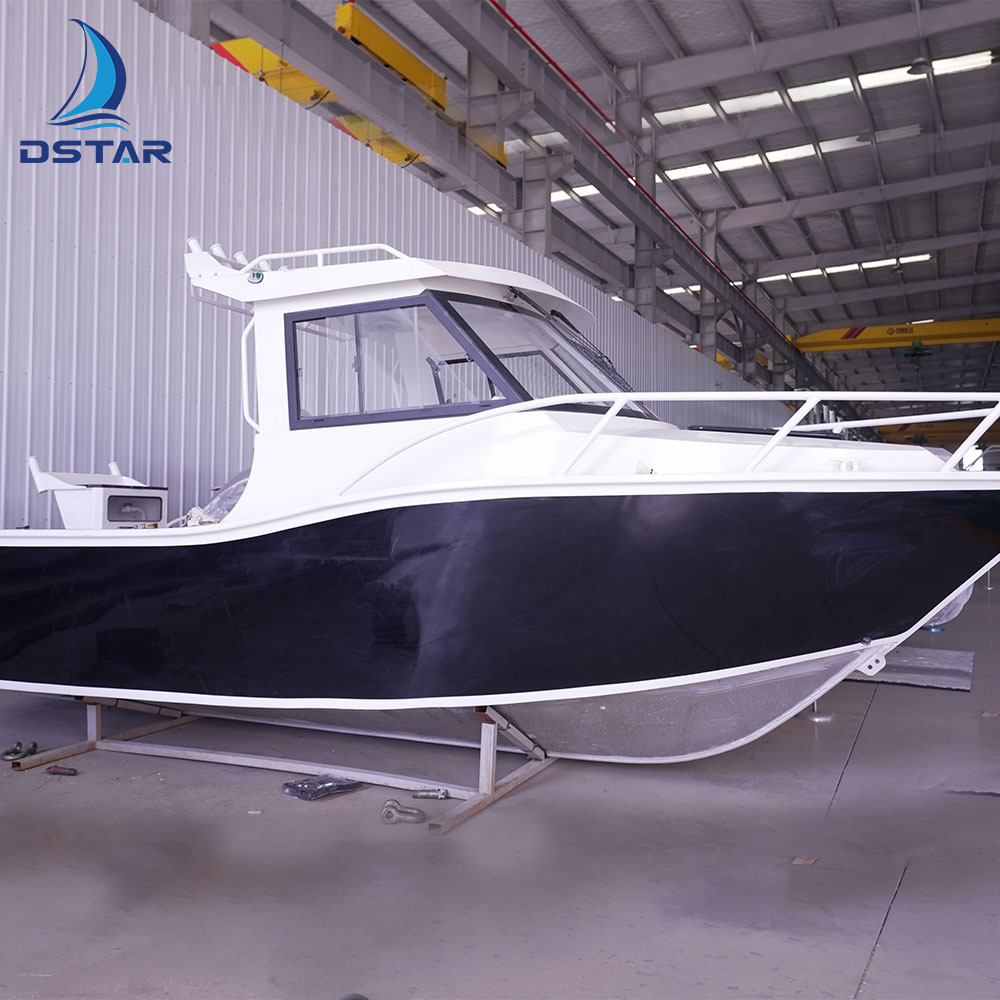
Manufacturer brochures often highlight flashy decals and stainless cup holders. You must look past these superficial lifestyle features. Focus strictly on structural baselines to ensure long-term durability on rough waters.
Aluminum gauge measures the physical thickness of the hull material. Do not compromise below .100-gauge aluminum for primary hull construction. Thin metal warps easily under continuous wave impacts. You will likely navigate rocky shores or stumpy reservoirs eventually. A .100-gauge baseline provides necessary impact resistance. Heavy-duty models sometimes utilize .125-gauge aluminum for even greater structural integrity.
V-hulls push significantly more water than flat-bottom vessels. Therefore, they demand higher horsepower to achieve optimal cruising speeds. Verify the transom reinforcement before committing to a purchase. You should check the maximum horsepower rating carefully. A weak transom flexes under heavy motor torque. This repetitive flexing eventually leads to severe structural failure. Look for reinforced corner gussets and heavy-welded bracing.
NVH stands for Noise, Vibration, and Harshness. High-quality builds utilize two-pound density pour foam inside the hull cavities. This marine-grade foam serves two critical purposes. First, it meets Coast Guard-mandated buoyancy requirements safely. Second, it dampens loud, inherent metallic sounds. Aluminum slapping against waves can spook shallow fish easily. Dense foam absorbs this acoustic energy effectively.
Beam width measures the widest point of the vessel cross-section. A wider beam drastically increases internal deck space. It also improves lateral stability while anchored or drifting. However, a wider footprint increases hydrodynamic drag considerably. You must assess your personal fishing priorities. Do you need a fast time-to-spot across a massive lake? Or do you prefer a highly stable platform once you arrive?
Your interior layout dictates everyday comfort on the water. Manufacturers offer several console and seating configurations. You should match the layout to your typical crew size and climate.
We can categorize steering setups into three main types. Each affects deck mobility and weather protection differently.
Walk-Through (WT) or Dual Console: This layout offers maximum protection against freezing wind and spray. It uses a full windshield spanning the entire beam. Families and cold-weather anglers prefer this setup heavily. However, it eats into your central deck mobility significantly.
Side Console (SC): This configuration serves as the optimal middle ground. It retains a small windshield for the captain. Meanwhile, it opens up the entire port side completely. You gain immense space for fighting fish and transporting long gear.
Tiller Steering: Tiller models remove the bulky console entirely. You steer directly from the outboard motor handle. This layout maximizes interior square footage. It also offers the most precise low-speed boat control. Walleye anglers highly favor tiller setups for precise back-trolling.
You should prioritize models built around practical fishing hardware. Look closely for lockable center rod lockers. These compartments often hold up to 12 rods safely below deck. Center storage prevents delicate rods from bouncing around during rough rides. Side-gunnel storage often leaves rod tips exposed to accidental damage.
Additionally, inspect the exterior mooring hardware. Look for flip-up or recessed deck cleats. Standard cleats create terrible snag hazards constantly. Fishing lines and landing nets catch on them easily during chaotic moments. Recessed cleats fold down flush into the gunnel when not actively used.
Owning an aluminum vessel introduces specific logistical challenges. You must plan for wind management and trailer compatibility carefully. Proper preparation prevents extreme frustration at the launch ramp.
Aluminum weighs significantly less than fiberglass. This low weight provides excellent highway towing benefits. However, it also means the vessel sits much higher in the water. High freeboards act exactly like a sail in heavy winds. Your boat will drift quickly off your prime fishing waypoints.
You must budget for tactical mitigation tools upfront. Experienced anglers rely on high-thrust, GPS-anchoring trolling motors. These smart motors automatically hold your position against strong gusts. Drift socks offer a cheaper, highly effective alternative. You deploy them underwater to slow your drift rate manually.
Your trailer choice heavily impacts your daily launch experience. Evaluate the primary ramps you plan to visit regularly.
Bunk Trailers: These use long, carpeted wooden boards. They provide maximum hull support during highway transit. Bunk setups are ideal for steep, well-maintained concrete ramps. You simply back in deeply until the vessel floats off.
Roller Trailers: These feature dozens of pivoting polyurethane rollers. They are absolutely necessary for shallow or unimproved dirt launches. If you cannot float the hull off the trailer, you need rollers. They allow you to push the vessel directly into the water effortlessly.
Selecting the perfect model requires a realistic size assessment. Buying too much boat complicates towing and launching unnecessarily. Buying too little compromises your safety in rough offshore conditions.
Use this general size classification to narrow your search immediately. Length dictates passenger capacity and overall wave-handling ability.
| Boat Length | Primary Application Focus | Ideal Water Conditions |
|---|---|---|
| 12–14 ft | Utility use, solo or duo fishing, car-topper or truck-bed transport. | Calm inland waters, small ponds, and protected rivers. |
| 16 ft | The industry sweet spot. Balances capability perfectly with ease of towing. | Medium lakes, moderate chop, and easy single-person launching. |
| 18 ft+ | Big water capability. Handles 4-5 passengers safely with massive storage. | Large reservoirs, Great Lakes, and highly unpredictable weather. |
Audit your local waterways carefully today. Check your primary tow vehicle capacity next. You should select the shortest length and narrowest beam safely navigating your worst-case water conditions. This logical approach keeps upfront costs firmly in check. It also ensures you can manage the vessel alone if necessary.
Investing in a V-hull requires a calculated balance of priorities. You must weigh ride comfort in rough water against available deck space. Your local waterways should ultimately dictate your hull geometry. Look for structural minimums before judging aesthetic features. Always insist on .100-gauge thickness and a heavily reinforced transom. Have realistic draft expectations when chasing bass in shallow coves. Pick a console layout matching your typical passenger count. If you fish alone, a tiller or side console opens up the deck nicely. By anchoring your decision in these practical realities, you will select an incredibly capable vessel. You can maximize both safety and on-water fishing efficiency for years to come.
A: Yes. Aluminum is highly resistant to structural degradation. The lightweight nature prevents long-term transom fatigue. This durability keeps demand exceptionally high in the secondary market. Buyers trust used models because structural rot is rarely an issue.
A: They generally require a slightly steeper ramp. You need deeper water to float them off compared to flat-bottom models. However, they remain easily managed by smaller tow vehicles. Their aluminum construction keeps them much lighter than fiberglass equivalents.
A: Yes. Despite their aggressive bow entry, they remain highly versatile. Most mid-sized models have a draft of approximately 18 inches. This shallow draft allows you to access tight coves easily. You only need to manage your trolling motor depth carefully.
A: The combination of lightweight materials and higher freeboards creates a strong sail effect. The physical distance from the waterline to the deck catches wind easily. Experienced anglers counter this physical reality using drift socks or advanced bow-mount trolling motors.


