

Views: 0 Author: Site Editor Publish Time: 2026-08-02 Origin: Site


Procuring commercial marine vessels involves massive capital expenditure. Operators face immense operational risks during these complex acquisitions. Rising fuel costs squeeze profit margins daily. Stricter environmental regulations demand cleaner marine operations globally. Fleet managers need higher operational uptime to remain profitable in a competitive market. Supply chain volatility further complicates long-term fleet maintenance. These compounding factors drive a massive industry shift. Buyers are moving away from traditional fiberglass or heavy steel hulls. They increasingly choose marine-grade aluminum for new builds. This guide serves as an objective decision framework. We provide evidence-based insights for B2B buyers and fleet operators. You will learn how to evaluate material choices effectively. We explore structural advantages, maintenance realities, and implementation risks. You will discover why modern alloys transform commercial passenger fleets. We aim to equip you with actionable technical knowledge for your next vessel procurement.
Total Cost of Ownership (TCO): Aluminum passenger boats require a higher initial CapEx but drastically reduce lifecycle costs through lower fuel consumption and minimal hull maintenance.
Operational Efficiency: A 30-40% weight reduction compared to steel translates directly into higher payload capacity and reduced draft.
Customization without Molds: Unlike fiberglass, aluminum allows for infinite, cost-effective structural modifications during and after the build process.
Risk Mitigation: Proper mitigation of galvanic corrosion through sacrificial anodes and isolated electrical systems makes aluminum a highly durable 30+ year asset.
Fuel prices fluctuate unpredictably across global markets. Maritime emission standards tighten severely every year. Regulators now enforce strict Tier III emission guidelines in many coastal zones. These factors place extreme operational strain on commercial fleet operators. Vessel weight directly impacts your required horsepower. Heavy ships burn fuel rapidly to maintain cruising speeds. They consequently generate a much larger carbon footprint. Lighter vessels require significantly smaller engines. They achieve the same cruising speeds using less fuel. A well-designed Aluminum Passenger Boat minimizes displacement effortlessly. This material choice cuts fuel burn rates dramatically. It helps fleets meet strict emissions guidelines without sacrificing performance.
Unplanned downtime destroys fleet profitability instantly. Pulling a passenger ferry boat out of the water stops revenue immediately. Prolonged hull repairs cripple seasonal cash flow models. Fiberglass hulls suffer frequently from osmosis blistering. Steel hulls battle constant, aggressive rust in saltwater environments. Both materials require lengthy, labor-intensive yard periods. Fleet managers must prioritize structural longevity during procurement. Rapid repairability stands as a primary success criterion.
We measure operational success through these key metrics:
Maximum active days at sea per fiscal year.
Minimum hours spent in drydock for structural repairs.
Predictable, low-cost routine maintenance schedules.
High asset availability during peak tourism seasons.
Marine-grade aluminum primarily utilizes 5083 or 5086 alloys. Shipbuilders often specify the high-performance H116 or H112 temper grades. These specific metals remain exceptionally lightweight. They simultaneously yield incredible tensile strength. They achieve equivalent structural integrity to heavy steel. Yet, they weigh roughly thirty to forty percent less. Operators can run smaller, more efficient propulsion systems. You do not sacrifice any passenger capacity or deck space. This structural advantage maximizes payload efficiency. It also lowers the vessel's center of gravity. A lower center of gravity improves seakeeping dynamically.
Accidents happen frequently in active commercial operations. Hulls strike submerged logs or shipping containers. Groundings occur in shifting shallow waters. Aluminum features a highly favorable modulus of elasticity. The metal deforms inward upon sudden, high-force impact. It rarely fractures or shatters like brittle materials. A fiberglass hull might crack and breach under similar stress. An aluminum hull simply dents. This ductile characteristic prevents catastrophic loss of buoyancy. It safeguards your passengers reliably during emergencies. Repairing a dent requires simple cutting and re-welding.
Bare aluminum reacts with ambient oxygen instantly. It forms a natural, microscopic protective oxide layer. This durable layer seals the underlying metal from further decay. It completely eliminates the need for expensive cosmetic painting. You skip costly rust removal and sandblasting processes. Routine hull maintenance drops dramatically over the asset lifecycle. Crews focus largely on basic bottom-cleaning protocols. They apply specialized antifouling coatings periodically. This self-protecting feature keeps vessels in the water longer.
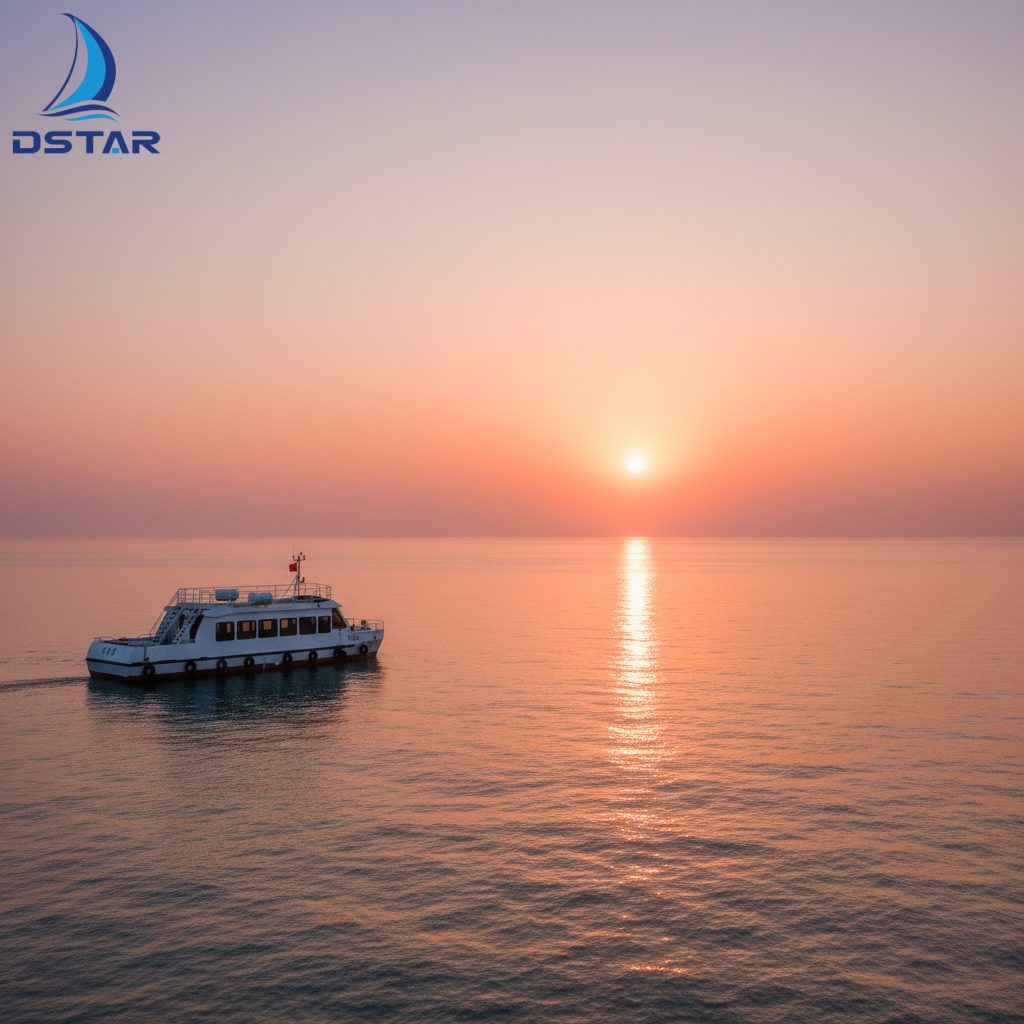
Fiberglass (FRP) often boasts a lower initial purchase price. Mass-production molds make early fabrication cheaper for builders. Buyers easily fall for this initial financial appeal. However, long-term operational realities tell a starkly different story. Fiberglass remains highly susceptible to osmotic blistering. Water slowly permeates the protective gelcoat. UV rays degrade the structural resins over time. The material absorbs microscopic amounts of water yearly. This absorption creates heavier displacement over a decade. A ten-year-old FRP hull weighs notably more than a new one. This hidden weight penalty silently increases daily fuel consumption.
Fiberglass manufacturing requires expensive, rigid plug-and-mold systems. Any structural layout change costs a fortune in mold retooling. Aluminum offers unmatched "cut and weld" flexibility. Builders fabricate vessels directly from raw alloy plates. Buyers can specify ADA-compliant boarding ramps easily. You can request modified cabin dimensions mid-build without massive penalties. Customized seating arrangements require no costly mold creation. Fleet scaling becomes highly adaptable to local market shifts.
| Comparison Factor | Marine-Grade Aluminum | Fiberglass (FRP) |
|---|---|---|
| Initial Fabrication Cost | Higher (skilled labor required) | Lower (mass-production molds) |
| Weight Stability | Remains stable indefinitely | Increases due to water absorption |
| Impact Response | Dents and deforms (high yield) | Cracks and shatters (brittle) |
| Design Customization | High flexibility (cut and weld) | Low flexibility (mold dependent) |
| End-of-Life Value | High scrap recycling value | Costly landfill disposal fees |
Commercial ferries increasingly adopt twin-hull designs globally. An Aluminum Catamaran Boat sets the modern industry standard. The twin-hull architecture provides an exceptionally wider beam. This massive footprint drastically reduces side-to-side roll. It minimizes passenger motion sickness effectively in rough conditions. Modern designs often utilize symmetrical or asymmetrical hull forms. These forms slice through waves rather than pounding over them. Passenger satisfaction hinges entirely on a smooth, stable ride. Catamarans deliver unmatched comfort in choppy coastal waters. They maximize usable deck space for diverse seating configurations.
Operators frequently navigate challenging coastal geographies and tidal zones. Twin hulls distribute buoyancy across two slender pontoons. This design minimizes the vessel's overall draft significantly. Lightweight aluminum enhances this shallow-water capability even further. These vessels service shallow-water ports effortlessly. They access environmentally sensitive reef areas safely. Traditional heavy monohulls simply cannot reach these lucrative remote destinations. Wake wash remains notably lower with catamaran hulls. Low wake wash protects fragile shorelines and local infrastructure from erosion.
Every marine material possesses unique operational vulnerabilities. Aluminum is highly susceptible to galvanic corrosion. This destructive process occurs when dissimilar metals meet in saltwater. An electrical connection accelerates the decay rapidly. We must acknowledge and mitigate this risk proactively. Builders mandate the use of mil-spec sacrificial anodes. These zinc or aluminum pucks degrade instead of your primary hull. Installers utilize strict dielectric barriers between metal fittings. They isolate the marine electrical systems completely. Diligent weekly monitoring ensures your hull remains pristine.
Minor fiberglass repairs seem simple to most crews. Standard yard workers patch gelcoat quickly and cheaply. Aluminum demands much higher technical expertise for structural fixes. It requires specialized TIG or MIG welding equipment. Only certified marine fabricators should attempt hull repairs. This creates a potential geographic bottleneck for remote operators. Advise your operations team carefully during the planning phase. Assess your regional repair yard capabilities thoroughly. Ensure skilled welders operate near your primary ports of call. Do this before committing to a fully welded fleet.
Buyers must apply a strict evaluation lens during procurement. Commercial passenger operations require heavy-gauge marine materials. You must strictly source robust, all-welded hulls. Riveted construction targets the recreational market exclusively. Thin plates will never withstand harsh commercial fatigue. Daily ferry operations inflict immense structural stress on frames. Welded joints provide continuous, uniform strength across the vessel. Never compromise on minimum plate thickness for commercial builds. Verify these specifications directly with the shipyard's naval architect.
Sourcing the right builder mitigates massive operational risk. Ensure your selected manufacturer holds a proven track record. They must build strictly to recognized maritime standards. Use the following checklist when shortlisting shipyards:
Verify extensive experience with USCG Subchapter T/K regulations.
Check for valid CE certification capabilities for European markets.
Request proof of compliance with IACS member society rules.
Examine past vessel stability test reports and sea trial data.
Confirm ISO 12215 standards compliance for structural design.
We strongly encourage buyers to request comprehensive performance projections. Do not settle for a simple initial build quote. Ask the manufacturer for a ten-year operational forecast. Factor in realistic engine replacement cycles based on running hours. Calculate the predicted fuel burn across varying passenger load conditions. Understanding these long-term mechanical demands helps fleets optimize their budgeting. It guarantees the chosen hull handles your specific daily routes efficiently. Demand transparency regarding projected maintenance intervals and component lifespans.
An advanced marine vessel demands careful operational awareness from its crew. You must monitor galvanic corrosion diligently to protect your asset. However, the operational benefits heavily outweigh these routine management tasks. Unmatched structural durability secures your capital investment for decades. Lifecycle fuel efficiency creates massive daily financial savings. Unrestricted customizability lets you adapt quickly to shifting market demands. These factors make modern marine alloys the most logical choice. High-uptime commercial fleets thrive on this exact reliability. Audit your current fleet's fuel consumption and maintenance metrics today. Contact a certified naval architect or marine builder next. Request a detailed spec sheet and consultation for a customized aluminum vessel.
A: With proper maintenance, specifically diligent monitoring of sacrificial anodes and electrical systems, an all-welded commercial aluminum hull can easily exceed 30 to 40 years of active service. The metal does not degrade from UV exposure or water absorption.
A: Yes. Traditional copper-based antifouling paints will cause severe galvanic corrosion on an aluminum hull. Operators must strictly use copper-free, aluminum-safe antifouling coatings. Specialized biocide blends or thiocyanate-based paints protect the hull without triggering destructive electrolysis.
A: Generally, yes. The lighter weight of aluminum combines perfectly with the reduced hydrodynamic drag of a catamaran’s twin hulls. This synergy allows it to achieve higher cruising speeds. It uses the same or even less horsepower compared to a heavy fiberglass monohull.


