

Views: 0 Author: Site Editor Publish Time: 2026-09-03 Origin: Site


Commercial marine operators face a high-stakes capital allocation decision when selecting vessels for multi-stop coastal routes. The wrong hull design compromises both safety and profitability. Balancing passenger comfort against operational efficiency remains the core challenge in highly variable marine environments. Operators must mitigate seasickness while managing fuel consumption, turnaround times, and maintenance schedules. Evaluating hull hydrodynamics, material science, and deck configurations determines the long-term viability of a commercial operation. This rigorous evaluation positions the dual-hull aluminum design as the undisputed industry standard. We will examine how structural advantages and material superiority make this specific vessel type the ultimate platform for coastal excursions.
Unmatched Stability & Level Sailing: Dual-hull hydrodynamics drastically reduce roll, pitch, and heeling, directly minimizing passenger motion sickness and protecting operator reputation.
Material Superiority: Marine-grade aluminum construction offers a superior weight-to-strength ratio, lowering maintenance costs and improving fuel efficiency compared to traditional fiberglass.
Open-Water Capability vs. Pontoons: Unlike flat-bottomed pontoon boats, purpose-built catamarans safely navigate choppy open-water crossings between islands while maintaining high cruising speeds.
Shallow Water Access & Beaching: Reduced draft requirements and reinforced aluminum bows enable safe beaching and access to secluded reefs that monohulls cannot navigate.
Optimized Payload: Expansive, split-level deck layouts maximize payload capacity and allow for unobstructed 360-degree viewing, essential for commercial sightseeing operations.
Coastal excursions demand absolute versatility from your fleet. Vessels must handle protected bays and choppy open-water crossings seamlessly. Weather patterns change rapidly during island hopping tours. A calm morning departure often turns into a rough afternoon return with steep, short-period wind waves. Safety cannot waver when sea states deteriorate unexpectedly. Operators require a hull design capable of piercing through surface chop without slamming the bridge deck. When a vessel slams, the impact sends shockwaves through the deck, alarming passengers and stressing the hull structure. A properly designed twin-hull configuration slices through these waves. This ensures the vessel maintains its schedule regardless of moderate weather shifts. Consistent performance across varied conditions directly protects your daily revenue stream. You cannot afford to cancel trips every time the wind picks up to 15 knots.
Motion sickness destroys customer experiences faster than any other factor. Level sailing eliminates dramatic heeling angles during turns. Dual hulls drastically reduce the side-to-side roll that triggers nausea. Monohulls suffer from a pendulum effect, snapping back and forth in a beam sea. Catamarans possess a dampened roll period, meaning they follow the contour of the wave rather than fighting it. This inherent stability directly boosts positive reviews and drives repeat bookings. Passengers who feel secure and comfortable are more likely to purchase onboard upgrades, consume food and beverages, and recommend the tour to others. You must treat motion sickness reduction as a primary performance indicator. A stable deck transforms an anxious passenger into a relaxed, satisfied customer.
Vessel stability dictates your ideal tour lengths. A smooth, predictable ride prevents physical exhaustion. Constant bracing against hull movement tires passengers out quickly, even if they do not get seasick. When the ride is stable, operators can confidently schedule premium, full-day itineraries. You can extend the time spent on the water without risking guest fatigue. Higher cruising speeds also reduce transit times between destinations. Twin hulls generate less hydrodynamic drag per ton of displacement compared to a heavy deep-V monohull. This allows you to pack more high-value stops into a single day. Maximizing comfortable time on the water directly increases the perceived value of your ticket price. The wide separation of the engines in the respective sponsons isolates vibration and noise away from the main passenger cabin.
A stable deck expands your target demographic significantly. Elderly passengers, young children, and individuals with mobility impairments need to feel secure from the moment they step aboard. Monohulls that rock violently at rest deter these lucrative market segments. A wide, stable platform allows multi-generational families to book together confidently. Wheelchair access becomes practical when the deck remains level at the dock. Flush decks without tripping hazards or steep cambers allow everyone to move around safely while underway. Broadening your customer base through inclusive vessel design directly increases your seasonal booking volume.
Multi-stop routes require rapid, highly orchestrated embarkation. Stable platforms speed up the boarding process. Accessible entry points keep schedules tight and maximize daily revenue. When a vessel sits flat at the dock, crew members can load passengers safely and efficiently.
Level decks align better with fixed marina infrastructure, reducing the need for steep gangways during extreme tidal shifts.
Reduced rocking minimizes the risk of slips and falls during boarding.
Multiple wide entry gates allow simultaneous loading and unloading of different passenger groups.
Crew members spend less time physically assisting passengers and more time preparing for departure.
Faster turnarounds allow for an additional revenue-generating run per day.
Wide side decks permit passengers to stage their gear before reaching the main cabin.
A wide beam and twin hulls deliver superior lateral stability. Single deep-V hulls roll heavily at rest and require constant forward momentum to generate dynamic stability. Commercial pontoon boats struggle offshore because they lack the necessary bow shape to cut through swells; their blunt tubes simply push water and slam into oncoming waves. A purpose-built passenger catamaran vessel pierces waves efficiently. The space between the hulls, known as the tunnel, allows air and water to channel through. This creates a slight cushioning effect and reduces wetted surface area. This hydrodynamic lift reduces drag and smooths out the ride. It makes the dual-hull design ideal for offshore routes where chop and swell are constant factors. The sharp entry of the bows slices the water, while the buoyancy aft supports heavy payloads.
Buoyancy spreads evenly across two distinct hulls. This distribution significantly reduces the overall draft of the vessel. Shallow drafts allow access to reef-heavy waters and secluded anchorages that deep-V monohulls must avoid. You can bring passengers closer to the actual attractions, dropping anchor in waist-deep water. Navigating over coral heads safely requires minimal underwater clearance. The ability to anchor in shallow, protected coves enhances the snorkeling and swimming experience for your guests. It also opens up exclusive route options that competitors with deeper vessels cannot legally or safely navigate. Many operators install protective skegs ahead of the propellers on twin hulls, offering an extra layer of running gear protection when operating in these shallow environments.
The rectangular footprint maximizes usable square footage. You get significantly more deck space per foot of length compared to monohulls. Monohulls taper sharply at the bow, wasting valuable real estate and forcing passengers into a cramped aft cockpit. The squared-off design of a twin-hull platform allows for wider walkways, higher passenger density, and premium amenities. You can install proper marine heads, extensive shaded seating, and large service bars without compromising the flow of foot traffic.
| Vessel Architecture | Lateral Stability (At Rest) | Draft Depth | Offshore Wave Handling | Usable Deck Space Layout |
|---|---|---|---|---|
| Deep-V Monohull | Low (High roll angle) | Deep (Restricts shallow access) | Excellent (Requires high speed) | Limited (Tapered bow wastes space) |
| Commercial Pontoon | High (Very flat) | Very Shallow | Poor (Blunt tubes cause slamming) | High (Fully rectangular) |
| Twin-Hull Catamaran | Exceptional (Dampened roll) | Shallow | Excellent (Wave piercing bows) | Maximum (Wide beam, square bow) |
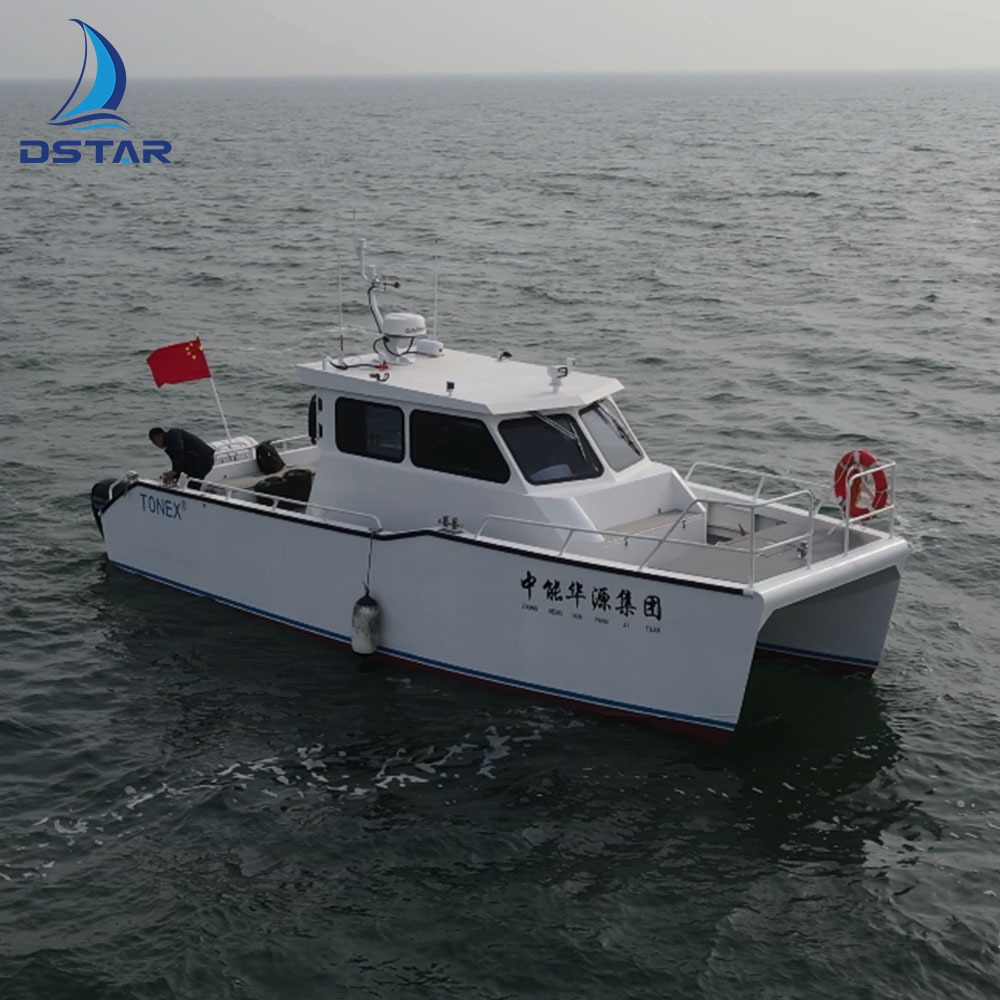
Marine-grade aluminum, specifically 5083 and 5086 alloys, is incredibly strong yet remarkably lightweight. Lighter vessels require smaller engines to achieve the same cruising speeds as heavier fiberglass counterparts. This weight reduction drastically lowers fuel consumption. Fuel represents one of the largest ongoing operational expenses for any marine business. An Aluminum Catamaran Boat extends your operational range, allowing you to complete more trips between refueling stops. The superior weight-to-strength ratio also means the hull can carry a higher payload of passengers and gear without compromising performance or safety. When you load 50 passengers onto a fiberglass boat, the draft increases significantly, increasing drag. Aluminum hulls handle these payload shifts with far less impact on top-end speed.
Coastal routes present hidden hazards like submerged rocks, coral heads, and floating debris. Fiberglass cracks, splinters, and breaches under hard impact. Marine-grade aluminum deforms and dents rather than shattering. This structural resilience keeps the vessel watertight even after a collision. Operators often need to drop passengers directly onto remote beaches. Reinforced aluminum bows allow for safe, repeated beach landings. Builders weld heavy-duty beaching plates directly to the keels. You can drive the hull directly onto the sand without tearing off the gel coat or compromising the structural integrity of the keel. This capability is essential for authentic, rugged coastal excursions where docks are unavailable.
Aluminum hulls eliminate the dreaded risk of fiberglass blistering and hull osmosis. Fiberglass requires constant waxing, gel coat repairs, and careful moisture management to prevent the core from rotting. Aluminum is highly resistant to corrosion, especially when left unpainted above the waterline. If structural damage does occur, repair is straightforward. A qualified marine welder can cut out the damaged section and weld in a new plate quickly. This localized repair process minimizes dry-dock downtime. Keeping the vessel in service generates revenue, while sitting in a repair yard drains capital. The rugged nature of aluminum ensures the vessel withstands the daily abuse of commercial operations year after year. You do not have to worry about passengers dropping heavy dive tanks and cracking the deck.
Upper viewing decks require robust structural integration to handle the shifting weight of passengers. A sightseeing catamaran thrives on offering unobstructed 360-degree sightlines. Open bows allow guests to feel the wind and watch marine life closely. You must configure the helm station to ensure the captain maintains perfect visibility even when the decks are fully loaded. Integrating shaded lower decks with sun-exposed upper decks gives passengers environmental choices. This split-level approach prevents crowding and enhances the overall flow of foot traffic during the excursion. Structural pillars must be placed strategically so they do not block the view of the coastline.
Seamless water access defines a successful coastal tour. Drop-down bow ramps facilitate direct beach drops, allowing passengers to walk onto the sand without getting wet. Stern dive ladders make snorkeling excursions safe and effortless. Side boarding doors ensure ADA-compliant access from floating docks. The hardware for these access points must be heavy-duty and easy for a single crew member to deploy.
Hydraulic bow ramps provide stable walkways for beach landings and can double as a forward viewing platform.
Wide, angled stern ladders with heavy-duty handrails prevent bottlenecking during swim stops.
Side boarding gates must align with standard commercial dock heights to allow roll-on access.
Non-skid decking materials, such as marine-grade tread plate or specialized rubberized coatings, are mandatory around all water access points.
Freshwater washdown showers near the swim step improve passenger comfort after saltwater activities.
Custom dive tank racks integrated into the aft bulkheads keep the deck clear of tripping hazards.
Layouts vary drastically depending on your specific business model. A boutique 12-passenger water taxi prioritizes luxury seating, ample luggage storage, and high-speed transit between resorts. Conversely, a high-volume, 100-passenger layout focuses on crowd flow, durable bench seating, and multiple restroom facilities. You must scale the capacity to match your local market demand. Overbuilding results in empty seats and wasted fuel. Underbuilding leaves money on the table during peak tourist seasons. Work closely with builders to optimize the seating arrangement for your exact daily passenger targets. Consider modular seating that can be removed or reconfigured depending on the specific charter type.
The primary drawback of any dual-hull vessel is its wide beam. Wide beams require larger, often premium-priced marina slips. Operators must calculate these increased docking constraints into their operational budgets. Finding a suitable berth in a crowded commercial harbor can be challenging. You may need to lease end-ties or secure double-wide slips. It is necessary to confirm marina availability and exact slip dimensions before finalizing your vessel's overall beam specifications. Failing to secure appropriate dockage can severely disrupt your daily operations. A 30-foot vessel with a 14-foot beam will not fit in a standard monohull slip.
Custom aluminum fabrication requires a higher upfront investment compared to purchasing off-the-shelf fiberglass hulls. However, this initial capital expenditure is offset by long-term operational savings. The lighter hull burns less fuel every single day. The durable material requires fewer cosmetic repairs and eliminates fiberglass rot. The extended operational lifespan of an aluminum hull maximizes your overall return on investment. Operators must look past the initial purchase price and evaluate the financial performance of the vessel over a ten to fifteen-year operational horizon. Aluminum vessels hold their resale value exceptionally well in the commercial market.
Commercial vessels must meet strict maritime classifications. Depending on your jurisdiction, you will need to comply with USCG Subchapter T or K, CE certification, or local maritime authority standards. A passenger ferry boat undergoes rigorous stability testing, fire safety inspections, and structural surveys. Working with certified naval architects ensures your vessel meets these legal requirements from the initial drafting phase. Retrofitting a non-compliant boat to meet commercial standards is financially devastating. Always build to code from day one. The naval architect will calculate intact and damage stability to ensure the vessel remains afloat even if one hull compartment is breached.
Take the following actionable steps to move your commercial vessel project forward:
Audit your primary route's average wave height and shallowest low-tide depth to determine the required bridge deck clearance and maximum draft.
Consult with a certified naval architect to specify the exact 5083 or 5086 aluminum plate thickness for your hull and beaching wear plates.
Measure the available slips at your home marina to establish the maximum allowable beam width before finalizing the vessel design.
Submit preliminary deck layouts to your local maritime authority to verify passenger capacity limits and safety equipment requirements.
A: The ideal capacity depends entirely on your business model and route demand. Boutique tours thrive with 12 to 24 passengers, offering high-margin, personalized experiences. High-volume transit routes require 50 to 100+ passenger layouts. Always size the vessel to maintain a minimum 70% occupancy rate during your average season.
A: A catamaran features sharp, wave-piercing bows and deep hull entry angles that cut through rough water smoothly. Commercial pontoons have blunt, flat-bottomed tubes that slap against waves, causing a harsh ride and structural stress in offshore conditions.
A: High stability reduces physical fatigue and motion sickness. When passengers are comfortable and not constantly bracing against rolling motions, operators can extend tour lengths from half-day trips to highly profitable full-day, multi-stop excursions without exhausting their guests.
A: Aluminum hulls significantly reduce maintenance costs by eliminating fiberglass blistering and gel coat repairs. Typical costs focus on engine servicing, bottom paint, zinc anode replacement, and interior wear-and-tear. Aluminum's durability keeps structural repair costs exceptionally low over the vessel's lifespan.
A: Yes. The dual-hull design spreads buoyancy, resulting in a very shallow draft perfect for reef navigation. When constructed with reinforced marine-grade aluminum, the bows can safely perform repeated beach landings on sand without sustaining structural damage.
A: Due to reduced hydrodynamic drag and the lighter weight of aluminum construction, a dual-hull water taxi can achieve fuel savings of 15% to 30% compared to a similarly sized deep-V fiberglass monohull, depending on cruising speed and payload.
A: Certifications vary by region. In the US, vessels carrying more than 6 passengers require USCG Subchapter T (under 100 gross tons) or Subchapter K certification. European operators require CE commercial certification. Always consult local maritime authorities before finalizing your vessel's design.


